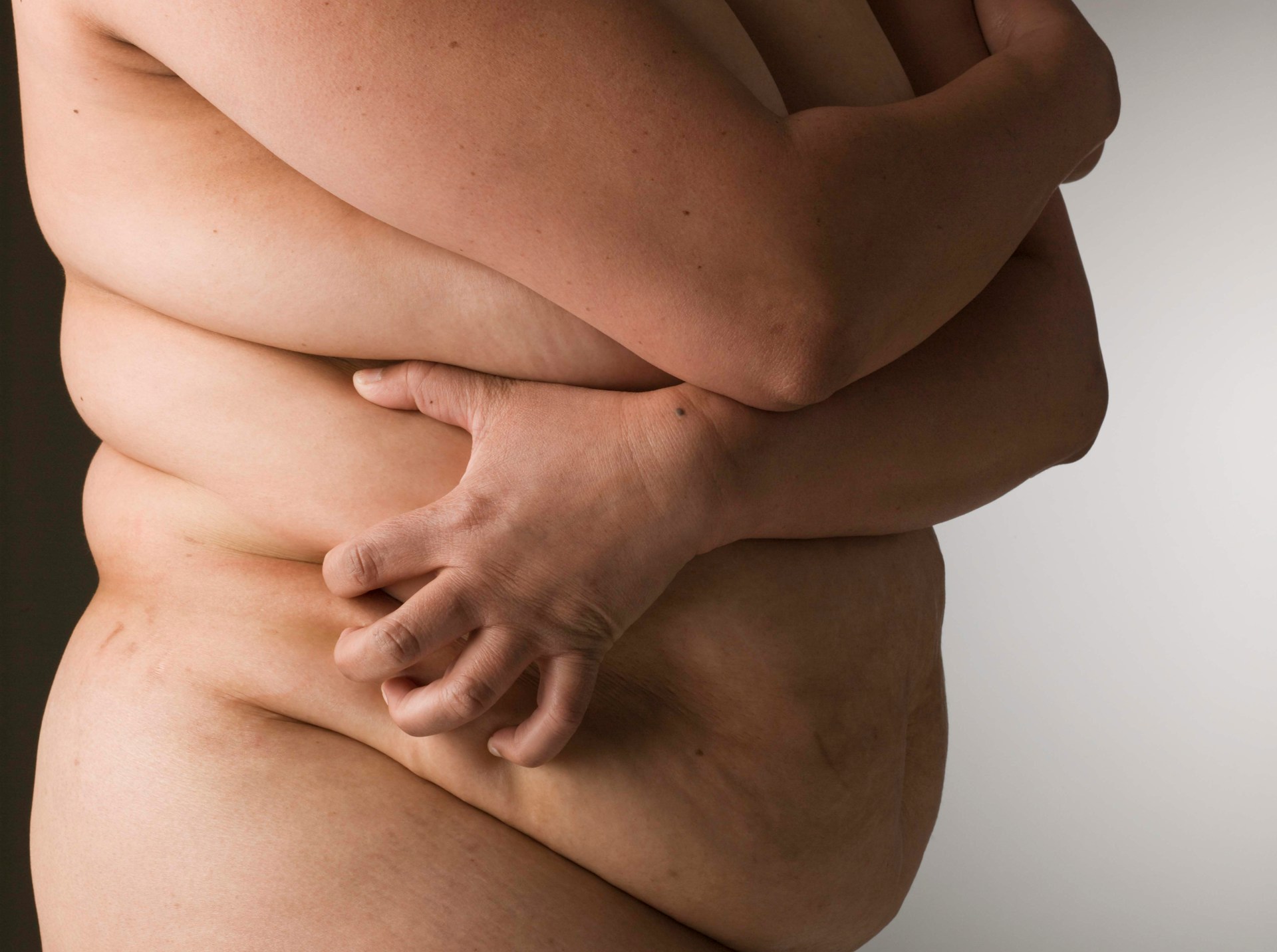
Weight Loss vs. Fat Loss: Why the Scale Is Lying to You
Most of us treat the bathroom scale as the ultimate judge of our progress. But here is the truth: the scale won't tell you: your weight is just a number that represents everything in your body. It sums up your body fat, muscle, water, bones, organs, and even the lunch you just ate.
If you are chasing a lower number at any cost, you might be losing the wrong thing.
To get the body you actually want, you need to understand the difference between dropping pounds and dropping fat. This guide breaks down exactly how to tell the difference, why it matters, and which goal you should actually aim for.
What Is the Difference?
Before we fix the problem, we have to define it.
Weight loss is simply a decrease in your total body weight. This is the number you see on the scale. The number doesn’t show what you lose. It could be:
- Body fat: The stored energy you want to get rid of.
- Muscle mass: The tissue that shapes your body and burns calories.
- Water weight: Fluid shifts caused by salt, carbs, or hormones.
- Glycogen: Stored carbohydrates in your liver and muscles.
Fat loss is specific. It refers to lowering the amount of adipose tissue (fat) on your body while keeping your muscle mass intact.
At What Point Is Weight Loss and Fat Loss?
Many people ask, "At what point does weight loss become fat loss?" There is actually a biological timeline to this. When you first start a diet, the initial drop you see on the scale (usually in the first 3 to 7 days) is almost always water weight and glycogen.
Your body stores carbohydrates as glycogen, and glycogen acts like a sponge. It holds onto water. When you cut calories or carbs, your body burns through that glycogen, releasing the water. This is why people on keto diets lose 5 pounds in the first week. It’s not fat; it’s fluid.
True fat loss usually kicks in after this initial "flush." It requires a sustained calorie deficit over time. While the scale might drop quickly at first, real fat loss is a slower process, typically happening at a rate of 0.5 to 2 pounds per week, depending on your size.
Which Is Better, Fat Loss or Weight Loss?
The short answer is clear. Losing fat is better. If you are focusing purely on weight loss, it can actually backfire. If you starve yourself or do endless cardio to make the number go down, you often lose muscle along with the fat.
Here is why aiming for fat loss wins:
- Muscle is metabolically expensive. It burns calories just by existing. If you lose muscle (weight loss), your metabolism slows down, making it harder to keep the weight off later. This is often why people regain weight after crash diets.
- Muscle gives your body shape. If you lose weight but no fat, you might end up "skinny fat”. You would look smaller, but without definition, and still feel soft.
- Reducing visceral fat (this is that hard fat around your belly) improves heart health and insulin sensitivity much more than just "being lighter."
Weight loss is just a change in size. Fat loss is a change in health and composition.
Can I Lose Fat and Not Lose Weight?
Yes, absolutely, this is what we call body recomposition.
This happens when you burn body fat and build muscle at the same time. Since muscle is denser than fat, it takes up less space in your body even if it weighs the same.
Imagine holding a pound of feathers (fat) and a pound of iron (muscle). They weigh the same, but the iron is much smaller and compact.
If you lose 3 pounds of fat and gain 3 pounds of muscle:
- The scale says you made "no progress."
- The mirror shows you look tighter, leaner, and more toned.
- The fit is better, and you can zip up your jeans easily.
This is why the scale can be a liar. If you are training hard and eating protein, a stagnant scale number often means you are doing exactly what you should be doing.
How Do I Tell If I'm Losing Weight or Fat?
Since the scale can't distinguish between muscle and fat, you need other tools. Here is how to tell if you are losing the right kind of weight.
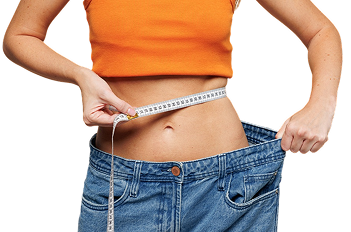
1. Check Your Measurements
Use the good old tape measure. This is the most honest metric. If your waist, hips, or thighs are getting smaller but the scale isn't moving, you are losing fat.
2. The "Jeans Test"
Pay attention to how your clothes fit. Are your pants looser around the waist? Is your shirt fitting better across the shoulders? Clothes don't lie. If they feel looser, your body composition is changing.
3. Strength Levels
Are you stronger in the gym? Can you do more pushups or lift heavier weights? If your strength is going up or staying stable while you diet, you are likely keeping your muscle and losing fat. If your strength plummets, you might be losing muscle mass (weight loss).
4. Progress Photos
Take photos every 2-4 weeks in the same lighting and same clothes. You will often see changes in your waistline or muscle definition that the scale misses entirely.
Why the Scale Fluctuates
If you are focusing on fat loss, you need to understand scale fluctuations so that you don’t panic when you see that number change. Your weight can swing 2 to 5 pounds in a single day. This is not fat gain. It is usually:
- Sodium (A salty meal makes your body hold water.)
- Carbs (A pasta dinner refills your glycogen stores, adding water weight.)
- Digestion (The food in your stomach has weight until it is digested and passed.)
- Hormones (Menstrual cycles can cause significant temporary water retention.)
Keep in mind. If the scale jumps up 3 pounds overnight, ignore it. It is physically impossible to gain 3 pounds of fat in 24 hours (you would have to eat roughly 10,500 extra calories). It is just water.
How to Target Fat Loss Instead of Muscle Loss
To ensure you are burning fat and not valuable muscle, follow these simple four rules:
- Prioritize Protein
Protein is the building block of muscle. When you are in a calorie deficit, your body looks for energy. If you don't eat enough protein, it might break down muscle tissue for fuel. Aim for about 0.7g to 1g of protein per pound of body weight.
- Strength Train
You need to give your body a reason to keep muscle. Lifting weights sends a signal: "I need this muscle to lift these heavy things, so don't burn it." Cardio burns calories, but strength training builds the furnace that burns the calories.
- Moderate Deficit
Don't starve. A crash diet forces your body into survival mode, where it sheds muscle to lower energy costs. A moderate deficit (300-500 calories below maintenance) is the sweet spot for fat loss.
- Sleep
Poor sleep raises cortisol, a stress hormone. High cortisol makes it harder to lose belly fat and easier to lose muscle. Aim for 7-9 hours of quality rest.
The number on the Scale is Just One Part of the Equation
The next time you look at the scale, remember that it is a limited tool. It provides data, but not the whole truth. It doesn't know how strong you are or how much healthier you have become.
It is normal to want to see the number go down, but don't let it dictate your happiness. If you can answer "Which is better, fat loss or weight loss?" correctly, you know that the goal is a healthy body, not just a light one. Trust the process, track your measurements, and focus on how you feel.
FAQ
Which is better, when comparing weight loss vs. fat loss?
Fat loss is better. It improves your body composition, keeps your metabolism high, and leads to better long-term health. Weight loss can sometimes mean losing muscle, which hurts your metabolism and leads to the "skinny fat" look.
How can I tell if I'm losing weight or fat?
If your clothes fit looser and your measurements are shrinking, you are losing fat. If you feel weak, your strength drops, and you just look "smaller" without definition, you might be losing muscle/weight.
Can I lose fat and not lose weight?
Yes. If you build muscle while burning fat, your weight might stay the same even though you are getting leaner. This is a positive sign called body recomposition.
At what point is weight loss and fat loss?
Weight loss happens immediately (often water/glycogen). True fat loss usually begins after the body depletes quick energy stores and mobilizes fat for fuel, which requires a consistent calorie deficit over time.
{{cta_button}}
Endoscopic Sleeve Gastroplasty
in NYC and Miami


.jpg)