Weight Loss Trends of 2025: The Shift to Biological Sustainability
We all know how packed gyms are in January. You have to wait ten minutes for a treadmill. You see people looking confused at the squat rack, holding a printout of a 30-day gym plan they found online. The energy is high, but it’s frantic.
Fast forward to mid-February. The gym is empty again. The printouts are in the trash. The enthusiasm crashed because the method was unsustainable.
For decades, we treated weight loss as a willpower test. We thought that if we just suffered enough, which meant we ate less, ran more, and hated every minute of it, we would eventually look the way we wanted. But biology always fought back. Hunger hormones ramped up, metabolism slowed down, and the weight crept back.
2025 felt different. We weren’t fighting our bodies anymore, we finally started looking at the data to work with them. The conversation has moved from "how much can I starve?" to "how can I signal safety to my body so it releases fat?"
Here are the 5 trends defining weight loss in 2025 that focus on sustainability and health, not just a number on a scale.
1. AI-Powered Precision Nutrition
In the past, tracking food felt like a second job. You had to search for medium-sized apples, guess if the one you ate was medium or large, and stress over whether you logged the right brand of yogurt. It was boring, and honestly, most of us quit after three days.
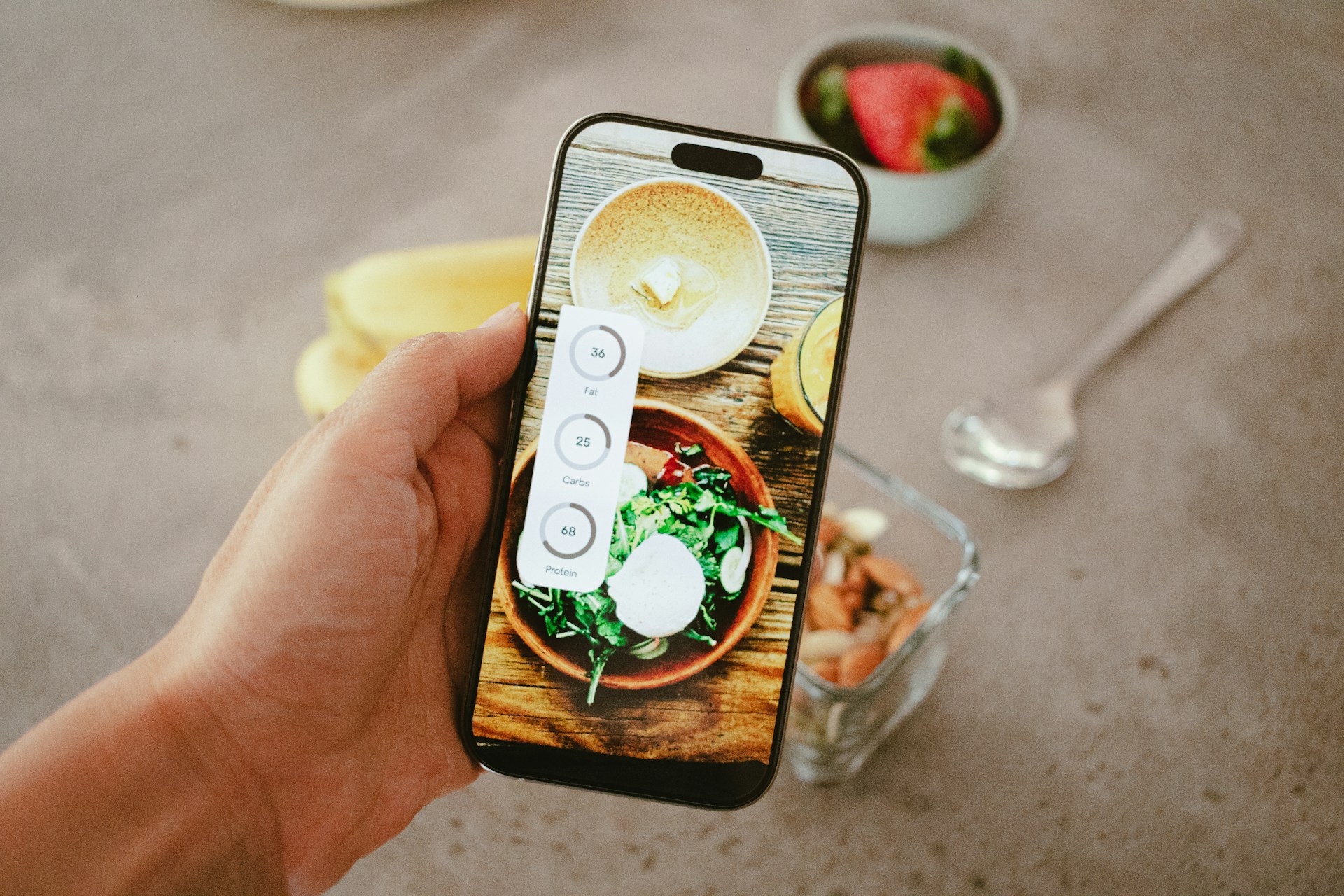
That friction is gone. Artificial Intelligence (AI) has removed the guesswork. The trend in 2025 isn't just about logging food; it's about having a nutritionist in your pocket that watches you eat in real-time.
From Tracking to Coaching
New apps use vision recognition to identify what is on your plate instantly. You snap a photo, and the AI breaks down the nutrient density. But the real value is the context.
Old apps would tell you: "You have 200 calories left."
AI apps now tell you: "You’ve had a lot of carbs today, but very little protein. If you eat a greek yogurt now, you’ll sleep better and have fewer cravings tomorrow morning."
This is huge because it removes the shame. It’s just data. The AI helps you make micro-adjustments that compound over time. It learns your patterns. If it notices you always crave sugar at 3 PM, it might suggest a bigger lunch with more healthy fats to prevent that crash before it happens. It anticipates your needs before you even feel the hunger.
2. The "Muscle-Centric" GLP-1 Protocol
The explosion of GLP-1 medications (like Ozempic and Wegovy) changed everything. But the first wave of users learned a hard lesson. They lost weight rapidly, but they lost everything—fat, muscle, and bone density.
Doctors started seeing "sarcopenic obesity." This is where a person is technically a normal weight, but they have very little muscle mass and a high percentage of body fat. This is dangerous. Muscle is your metabolic engine. It burns calories just by existing. If you lose muscle, your metabolism crashes. When you eventually come off the drug, you regain the weight as fat, not muscle, leaving you worse off than when you started.
The Correction: Protect the Lean Mass
In 2025, the prescription pad looks different. Doctors are no longer handing out these meds without a strict muscle-centric plan.
- Resistance Training is Mandatory: It’s not just a suggestion to lift weights; it’s often a requirement for the prescription refill. Patients are told to lift heavy things 2-3 times a week to send a signal to the body: "I need this muscle, don't burn it for fuel."
- Protein Anchoring: The focus on protein has intensified. The goal is often 1 gram of protein per pound of ideal body weight. This acts as a firewall against muscle loss.
- The Off-Ramp Strategy: The trend is shifting away from lifetime medication for everyone. The goal is to use the medication to quiet the food noise long enough to build new habits and new muscle. Once the metabolic engine is rebuilt, patients taper off the drug, relying on their new muscle mass to maintain the weight.
3. Metabolic Health Over Skinny Look
We used to look at a thin person and assume they were healthy. We used to look at a heavier person and assume they weren't. We now know that’s not accurate. You can be thin on the outside but have fat wrapped around your liver and pancreas (visceral fat), which drives inflammation and disease.
Weight loss trends of 2025 shifted towards metabolic flexibility. This means your body is like a hybrid car. It can burn sugar (glucose) when you eat, and it can seamlessly switch to burning fat when you haven't eaten for a while. Most people are metabolically "stuck." They can only burn sugar. When the sugar runs out, they get "hangry," shaky, and tired because their body forgot how to access its fat stores.
The Rise of the CGM
Continuous Glucose Monitors (CGMs) were the tool of choice last year. These small sensors worn on the arm were once just for diabetics. Now, they are for anyone who wants to see under the hood.
People are using them to see how specific foods affect them. You might eat a banana and see your blood sugar spike to the moon. Your friend might eat the same banana and have a flat line. Bio-individuality is key. The trend is to flatten those glucose curves. Fewer spikes mean less insulin. Less insulin means your body is more willing to burn fat. It shifts the focus from calories to chemistry.
4. The Gut-Brain Axis and "Psychobiotics"
"Trust your gut" used to be advice for making decisions. Now it’s advice for controlling cravings. Science has confirmed that the bacteria in your digestive tract (your microbiome) are running the show.
If you eat a lot of processed sugar, you feed the bad bacteria that thrive on sugar. These bacteria then send signals up the vagus nerve to your brain, literally screaming, "Eat more sugar." You think it’s your lack of willpower, but it’s actually a hostile takeover by your gut bugs.
Healing the Connection
The 2025 approach treats the gut to fix the behavior.
- Prebiotic Fibers: We aren't just taking probiotics (adding bugs); we are taking prebiotics (feeding the good bugs). Foods like artichokes, onions, and specific powders are used to fertilize the bacteria that regulate appetite.
- Psychobiotics: This is a fascinating new area. These are specific strains of probiotics shown to produce neurotransmitters like serotonin and dopamine. By fixing the gut, you lower anxiety. When you lower anxiety, you stop the emotional eating loop. It’s a biological solution to a psychological problem.
5. Social Biohacking and Gamification
Isolation is the silent killer of weight loss. When you try to change your lifestyle in secret, it’s easy to quit because no one is watching. But historically, health was communal. We hunted together, gathered together, and ate together.
The tech world has realized that "community" is the stickiest feature an app can have. The trend in 2025 was social biohacking.
The Digital Tribe
We aren't talking about posting a sweaty selfie on Instagram for likes. This is about small, tight-knit groups with shared data.
Data Circles: Apps now let you share your closing rings, your sleep scores, or your fasting timers with a select group of friends. If you don't log your workout by 6 PM, your friend gets a notification to nudge you.
Gamified Reality: Fitness is merging with gaming. Augmented Reality (AR) glasses and mixed-reality headsets turn a jog around the block into a zombie escape mission or a coin-collecting run. It distracts the brain from the effort. You aren't "working out"; you're playing. This lowers the barrier to entry for people who hate traditional exercise.
The End of Shame and Starvation
The weight loss trends of 2025 mark a definitive end to the cycle of shame and starvation. We have moved past the era of treating the body like an enemy to be conquered and entered an era of body Intelligence.
What links all five of the trends that we presented in the article is the shift from guessing to knowing. We are no longer relying on blind restriction, but on biological data. By listening to the signals your body is sending and responding to them with the right nutrition, movement, and support, you aren't just losing weight. You are gaining a life that you can actually maintain.
FAQ
Is it safe to lose weight quickly with the new medications?
Rapid weight loss always carries risks, primarily muscle loss and gallstones. Slow and steady (0.5 to 2 lbs per week) is still the gold standard for keeping it off and staying healthy. The new protocols emphasize slowing down the loss to preserve the body's structure.
I can't afford a CGM or AI coach. Can I still use these trends?
Absolutely. The principles are free. You can practice "AI nutrition" by pausing to look at your protein intake before you eat. You can practice "metabolic flexibility" by taking a 10-minute walk after meals to blunt blood sugar spikes. Technology helps, but the habits do the work.
What is the "muscle-centric" diet exactly?
It basically means building your plate around protein first. Instead of putting pasta on the plate and adding a little chicken, you put a large piece of chicken on the plate and add a little pasta. You prioritize the nutrients that build the body.
Do psychobiotics really work for mood?
The research is very promising, but it's not a magic pill. They work best when paired with a diet that limits ultra-processed foods. You can't out-supplement a bad diet, but they can definitely take the edge off the anxiety-induced cravings.
{{cta_button}}
Endoscopic Sleeve Gastroplasty
in NYC and Miami


.jpg)