The Ultimate Dos and Don’ts for Healthy Weight Loss and Advice That Works
Sometimes, when trying to lose weight, you are ready to try everything on the list, from restrictive diets to intense workout programs, and even detox teas. You’d lose a few pounds only to gain them back, feeling defeated and frustrated. It is not until you stop searching for a quick fix and start focusing on sustainable habits that the change finally happens.
This article will break down the ultimate dos and don’ts for healthy weight loss that will help you build a plan that works for life, not just for a few weeks.
Dos for Losing Weight: What You Should Do
We will first go through a list of things that you should do for losing weight and maintain it.
Do: Focus on Sustainable Dietary Changes
The biggest mistake people make is treating a diet like it is a temporary challenge, but healthy weight loss comes from permanent changes to how you eat.
Do: Prioritize Whole Foods
Minimally processed food is what you need to aim for, and your meals should be built around that kind of food. This means choosing fruits, vegetables, lean proteins, and whole grains.
Eat more fiber-rich foods that keep you feeling full longer, and that help naturally reduce your overall calorie intake.Choose beans, lentils, broccoli, and oats.
Go for lean protein sources that are crucial for maintaining muscle mass while you lose fat. Include chicken breast, fish, eggs, tofu, and Greek yogurt in your daily meals.
Do: Manage Portion Sizes, Never Starve Yourself
You don't need to eat really small amounts of food, but you do need to be mindful of how much you are eating. Portion control is the key to managing your overall calorie deficit, which is necessary for losing weight.
This simple trick that can make a regular portion look bigger is using smaller plates.
Do: Embrace Movement and Stay Active
We talk a lot about nutrition because it is the foundation of losing weight, but on the other hand, physical activity plays a vital role not only in burning calories, but in improving mood and building a stronger body, so this is one important thing to do for losing weight.
Do: Find an Activity You Enjoy
Exercise shouldn't feel or be taken as a punishment. If you hate the gym, don't force it; there are plenty of other exercises and ways to move your body. Try walking, dancing, hiking, swimming, or team sports. Consistency matters much more than intensity, especially when starting out.
Do: Include Strength Training
Don’t focus only on cardio when trying to lose weight. However, building muscle through strength training is essential because muscle tissue burns more calories at rest than fat tissue does.
Start simple with bodyweight exercises like squats, push-ups, and lunges, and aim for two to three sessions per week: This helps boost your metabolism and improve your body composition.
Do: Prioritize Sleep and Manage Stress
Weight loss is deeply linked to your overall physical and mental health. Prioritising it is a key part of the dos and don’ts for losing weight.
Chronic stress causes your body to release cortisol, a hormone that can promote fat storage, especially in the abdominal area. Find healthy ways to manage stress, such as:
- Meditation or deep breathing.
- Spending time in nature.
- Journaling.
Do: Aim for 7-9 Hours of Quality Sleep
Lack of sleep disrupts the balance of hormones that control hunger: ghrelin (the hunger hormone) increases, and leptin (the satiety hormone) decreases. This makes you feel hungrier and less satisfied, which often leads to overeating and poor food choices. Make sleep a non-negotiable part of your daily routine.
Do: Track and Plan for Success
Knowledge is power. Understanding what you eat and how your body responds is the most effective way to ensure long-term progress.
Do: Track Your Food Intake (At Least Initially)
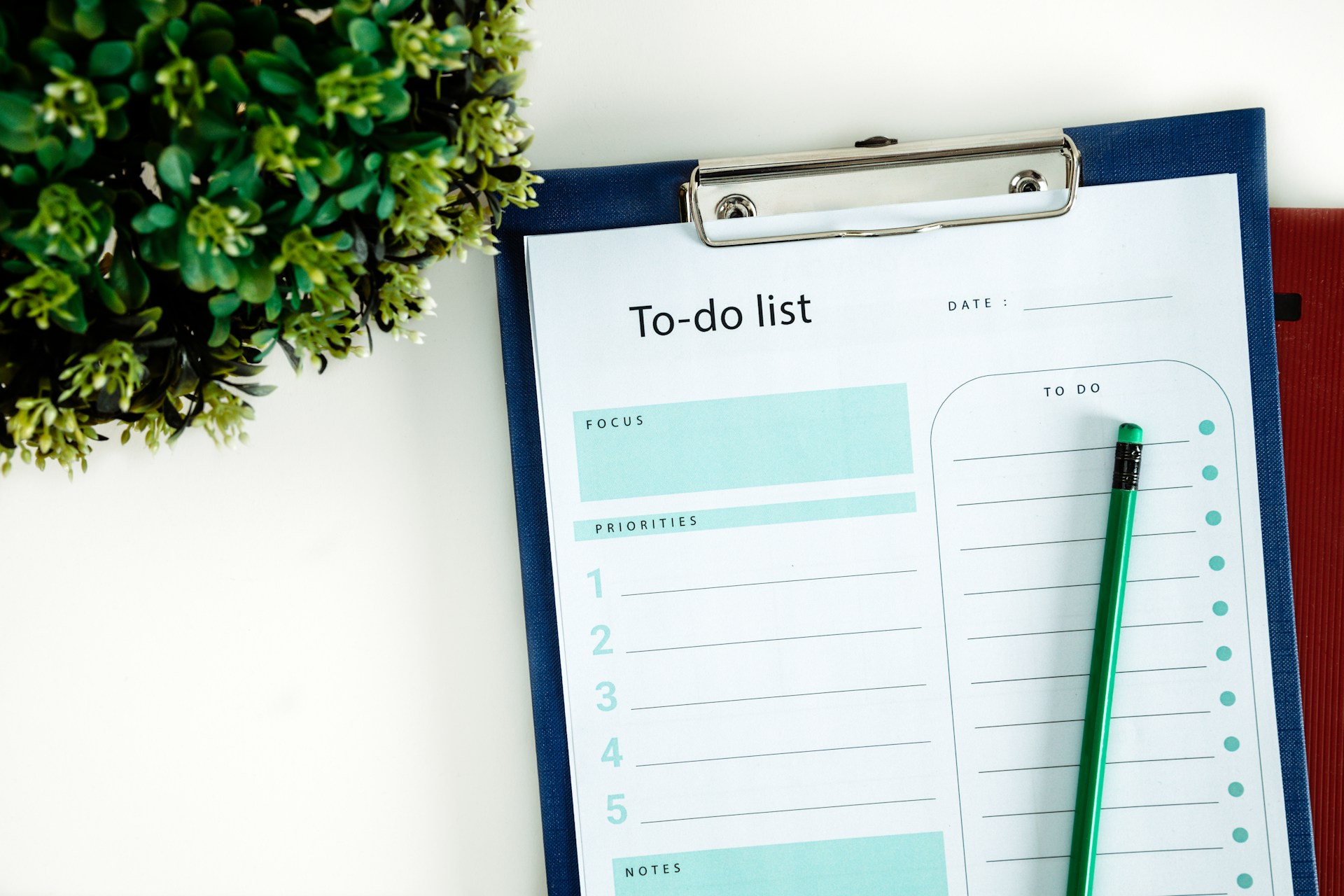
Using a food diary or a calorie-tracking app, even for just a couple of weeks, can provide eye-opening insight into your current eating habits, including hidden calories from drinks or sauces. You might be surprised where most of your daily calories come from.
Do: Meal Prep and Plan Ahead
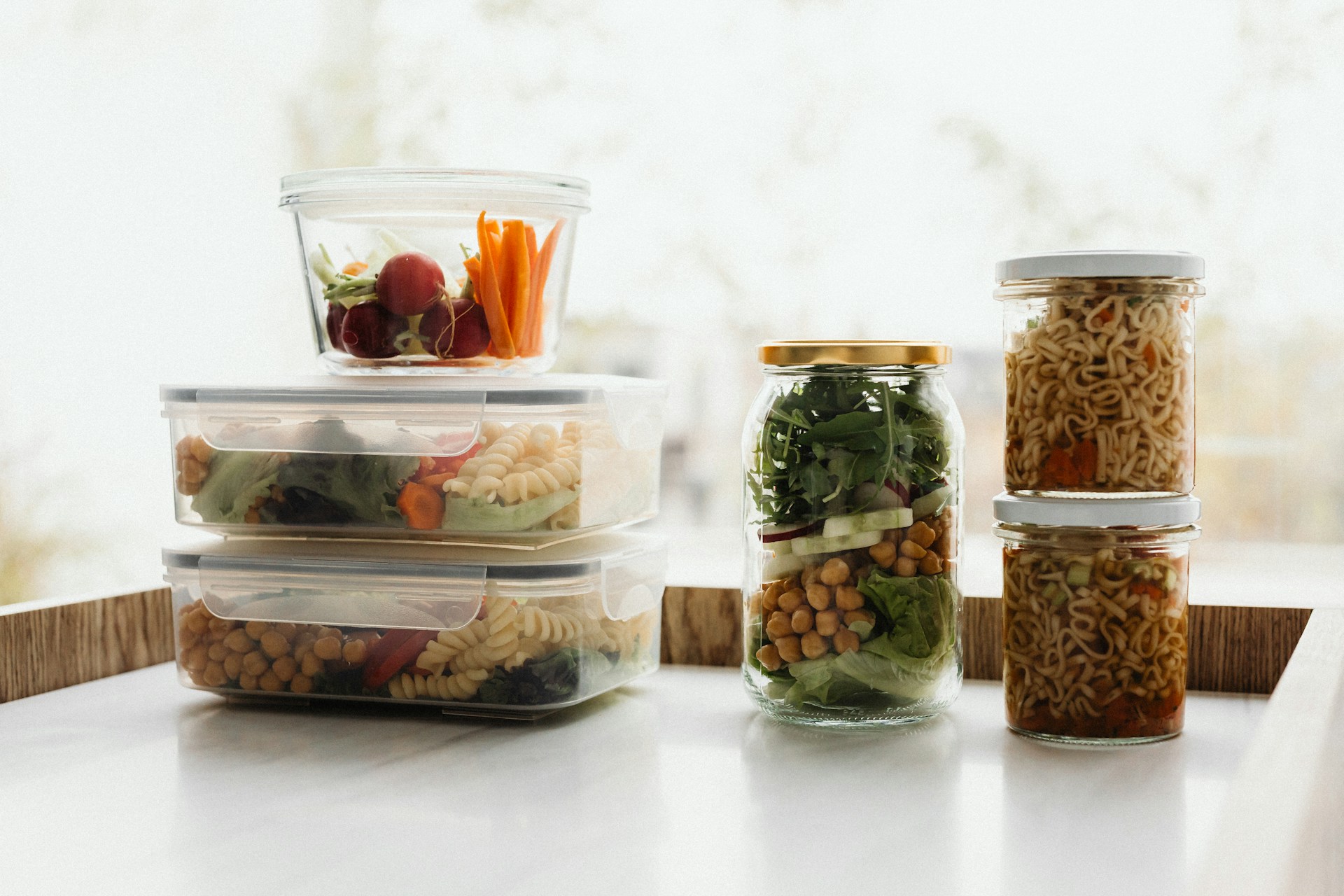
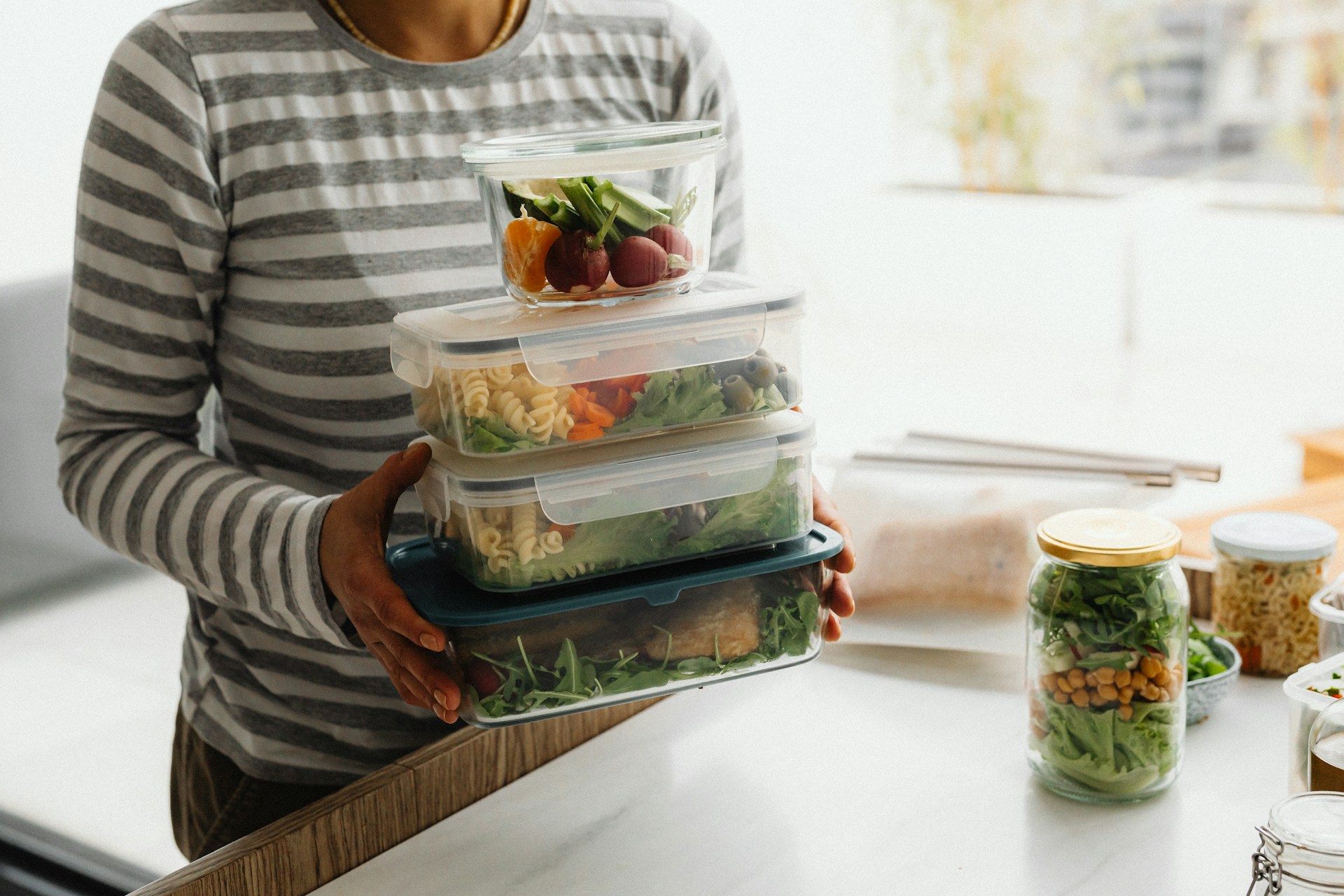
Preparation prevents poor performance. If you have healthy meals and snacks ready to go, you are far less likely to grab unhealthy fast food when hunger strikes. Dedicate some time each week to planning your meals.
The Don’ts for Losing Weight: Common Mistakes to Avoid
We’ve gone through what you should do to lose weight, but sometimes it’s even more important to know what you shouldn’t do. Lets now review the don’ts for losing weight.
Don’t: Eat straight from the bag or container
You should always portion snacks into a bowl to see how much you are actually consuming.
Don't: Rely on Extreme or Restrictive Diets
Some novelty diets promise fast results, yet they rarely deliver long-term benefits because they are rarely sustainable or healthy, leading to nutrient deficiencies and rebound weight gain.
Don't: Cut Out Entire Food Groups Unless Medically Necessary
Unless you have an allergy or intolerance to some food, completely eliminating a major food group (like all carbohydrates) is not a good idea, and it can be difficult to maintain and may lead to cravings and bingeing later on. A balanced approach is always better for long-term healthy weight loss.
Don't: Skip Meals
Skipping meals, especially breakfast, can slow your metabolism and lead to excessive hunger later in the day. This will result in overeating at your next meal, so consistent, balanced meals are at the center of weight management.
Don't: Reward Workouts with Food
Treating yourself to a high-calorie meal or drink after a workout is a classic pitfall that many people fall into because they feel like they deserve it. While your body needs to refuel, the refueling snack should be planned and shouldn't negate the calorie deficit you achieved.
Don't: Neglect Non-Exercise Activity Thermogenesis (NEAT)
This is the energy you burn doing everything but sleeping, eating, or dedicated exercise. It includes walking around the office, fidgeting, and taking the stairs. Don't be sedentary outside of your workout; look for ways to move more throughout the day.
Don't: Chase Solely the Scale Number
Focusing only on the number on the scale can be discouraging and misleading, and it doesn't always reflect reality. Weight fluctuations are normal and can be caused by hydration, hormones, and muscle gain.
Don't: Weigh Yourself Too Often
Checking the scale multiple times a day or even every day can create unnecessary anxiety. Once a week, at the same time and under the same conditions (like first thing in the morning), is usually sufficient to track your progress.
Don't: Ignore Non-Scale Victories
True, healthy losing weight success involves more than just a number. Pay attention to other signs of progress that are just as important:
- Your clothes fit better.
- Increased energy levels.
- Better sleep quality.
- Improved mood and confidence.
- Strength gains during workouts.
Don't: Expect Perfection or Instant Results
Weight loss is a journey, not a sprint. There will be setbacks, plateaus, and days when you don't stick to your plan perfectly. This is normal.
Don't: Beat Yourself Up Over a Slip-Up
One unplanned meal or a missed workout does not derail your entire journey. It’s the next decision that matters most. A slip-up is a single event; don't let it turn into a week of quitting. Forgive yourself and get right back on track with your next meal.
Don't: Isolate Yourself
Seek support from friends, family, or a professional. Having people who encourage you and hold you accountable makes the process much easier and more enjoyable.
Small Changes for Big Impact on Your Health
Losing weight and keeping it off successfully is a combination of common sense and consistency. Ultimately, it all boils down to making small, manageable changes that you can stick with for the rest of your life. Focus on whole foods, stay active in ways you enjoy, prioritize sleep, and be kind to yourself when you stumble. By implementing these practical dos and don’ts for losing weight, you move away from the frustration of yo-yo dieting and toward a healthier, more sustainable you.
FAQ
What is the most important dietary change for weight loss?
Move away from processed foods and prioritize whole foods. Your meals should be built around:
- Fiber-rich foods (beans, lentils, broccoli, oats).
- Lean proteins (chicken, fish, eggs, Greek yogurt) to maintain muscle mass.
- Fruits and vegetables.
Do I need to cut out carbs or skip meals to lose weight?
No. Do not eliminate entire food groups unless medically necessary, as this leads to cravings and bingeing. Additionally, never skip meals (especially breakfast); doing so slows your metabolism and often leads to overeating later.
How often should I exercise, and what type is best?
Consistency is more important than intensity. Find an activity you actually enjoy (walking, dancing, swimming). However, you should include strength training 2–3 times a week, as building muscle burns more calories at rest.
{{cta_ba}}