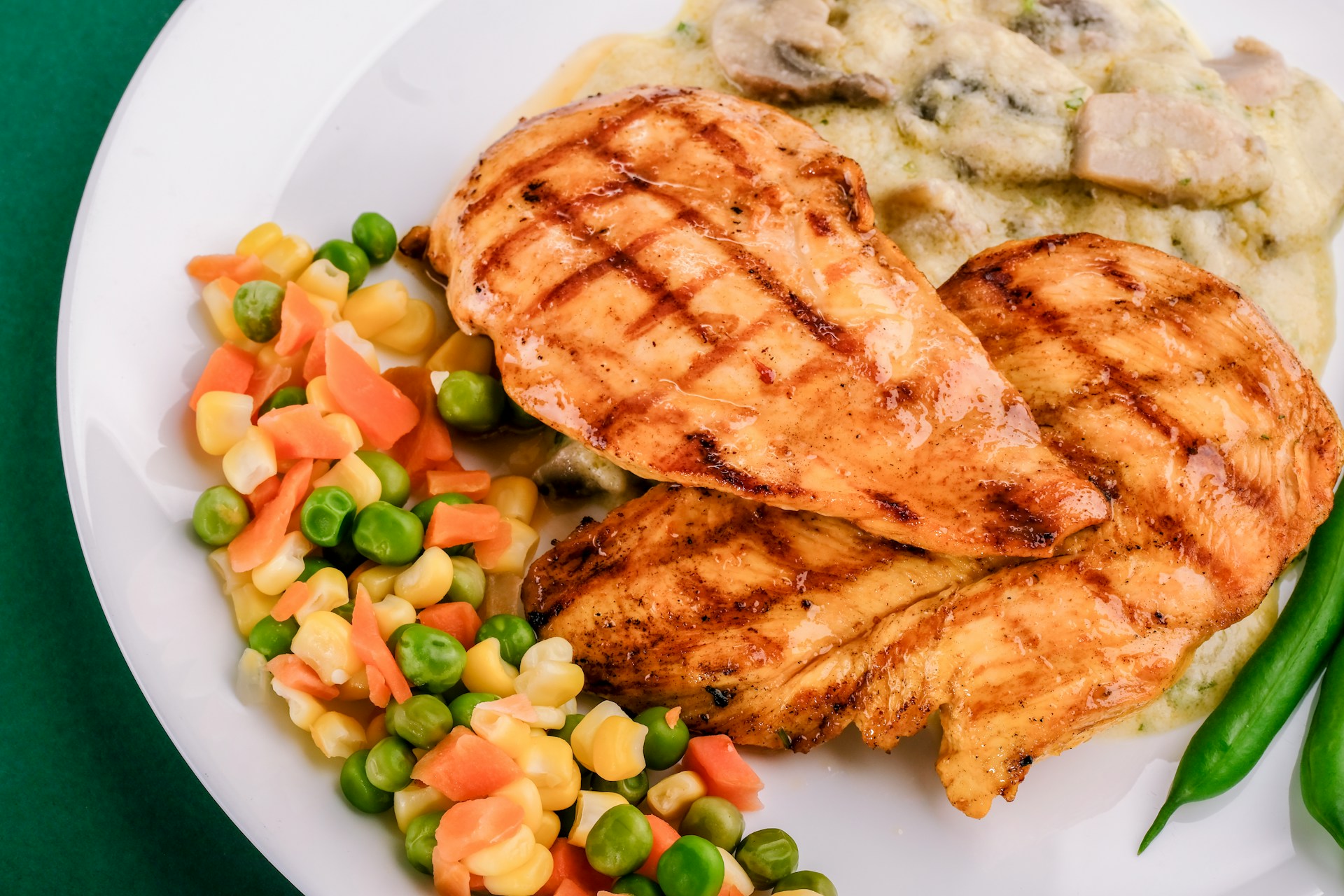
15 Real Weight Losing Tips That Actually Work
A lot of people trying to lose weight force their body to change through sheer willpower and misery. But it usually backfires. They end up binge eating on the weekend because they starved themselves all week.
Losing weight isn't about suffering. It is about making small changes that you can actually stick with for more than a month. If you are looking for practical weight losing tips that fit into real life, this guide breaks down what actually matters.
1. Prioritize Protein at Every Meal
Protein is the single most important nutrient when you want to lose fat. It does a few things for your body that carbs and fats don't do.
First, your body burns calories just by digesting protein. This is called the thermic effect of food. It takes more energy to break down a piece of chicken than a slice of bread. By increasing your protein intake, you boost your metabolism slightly without doing extra exercise.
Second, protein reduces appetite. It affects the hormones that regulate hunger, specifically ghrelin. When you eat enough protein, you naturally want to eat less food later in the day. Aim to include a source of protein like eggs, fish, lean meat, or beans on your plate every time you sit down to eat.
2. Eat Whole, Single-Ingredient Foods
One of the best weight losing tips is to stop looking at calories and start looking at ingredients. If you base your diet on whole foods, calorie control tends to happen automatically.
A whole food is something that has one ingredient. An apple is just an apple. A potato is just a potato. These foods are naturally filling. They are packed with water and nutrients.
Processed foods are engineered to make you eat more. They hit the pleasure centers in the brain and override your "I'm full" signals. By sticking to single-ingredient foods for 80% of your diet, you eliminate the junk that causes overeating.
3. Avoid Liquid Calories
You can ruin a good diet just by what you drink. Sugary sodas, fruit juices, and chocolate milk are incredibly high in calories.
The problem is that liquid sugar doesn't register in your brain the same way solid food does. You can drink 500 calories of soda and not feel full at all. In fact, you will likely eat a full meal right after.
If you are serious about seeing results, swap sugary drinks for water, black coffee, or tea. This is often the easiest change with the biggest impact.
4. Keep Healthy Food Available
Hunger makes us lazy. When you are starving after a long day at work, you will grab whatever is easiest. If there are cookies on the counter, you will eat cookies.
You need to design your environment for success. Keep healthy snacks visible and ready to eat. Wash some fruit and put it in a bowl on the table. Keep hard-boiled eggs or greek yogurt in the front of the fridge.
If you have to cook a healthy meal from scratch when you are already hungry, you will probably order takeout. Make the healthy choice the easy choice.
5. Drink Water Before Meals
Water is helpful for weight loss for many reasons. It keeps you hydrated, which is good for performance. But it also acts as an appetite suppressant.
Studies suggest that drinking half a liter of water about half an hour before meals helps you eat fewer calories. It physically fills up space in your stomach.
It also boosts calorie burning slightly for a short period. If you replace sugary beverages with water, the effect is even stronger.
6. Eat Slowly and Mindfully
Your brain needs time to process that you have eaten enough. It can take up to 20 minutes for the signal to travel from your stomach to your brain, saying, "Stop eating."
If you shovel food into your mouth while watching TV or scrolling through your phone, you will overeat before your brain gets that signal.
Try to chew more thoroughly. Put your fork down between bites. Take time to really taste the food. Eating slowly helps you feel more satisfied with smaller amounts of food.
7. Add Resistance Training
When you cut calories, your body doesn't just burn fat. It also burns muscle. This is bad. Muscle tissue burns more calories at rest than fat tissue does. If you lose muscle, your metabolism slows down.
This is why some people get "skinny fat" after dieting. They lost weight, but they also lost the muscle that gave them shape.
Lifting weights prevents this. It tells your body that you need your muscle, so it should burn fat instead. You don't need to be a bodybuilder. Lifting weights a few times a week works.
8. Get Good Sleep
Sleep is often ignored when discussing weight losing tips, but it is critical. If you don't sleep enough, your hormones go haywire.
Lack of sleep raises cortisol, the stress hormone. It also spikes ghrelin (hunger) and lowers leptin (fullness). This is why you crave junk food when you are tired. Your body is desperate for quick energy.
Prioritize getting 7 to 8 hours of quality sleep. It makes sticking to a diet much easier.
9. Eat More Fiber
Fiber is a carbohydrate that your body cannot digest. Since it sits in the stomach longer, it slows down digestion and makes you feel full.
Viscous fiber is especially helpful. This type forms a gel when it mixes with water. It is found in plant foods like beans, oat cereals, Brussels sprouts, and flax seeds.
Feeding your gut bacteria with fiber also helps with long-term weight management. A healthy gut is linked to a healthy weight.
10. Cut Back on Added Sugar
Most people eat way too much added sugar. It is hidden in everything, from bread to pasta sauce. Excessive sugar consumption is strongly linked to obesity, type 2 diabetes, and heart disease.
Read labels. Sugar has many names, like high-fructose corn syrup, sucrose, and dextrose.
Reducing added sugar lowers your insulin levels, which makes it easier for your body to burn stored fat.
11. Use Smaller Plates
This sounds like a trick, but psychology plays a big role in how much we eat. We tend to clear our plates, regardless of how much food is on them.
If you put a normal portion on a huge plate, your brain thinks you aren't getting enough food. If you put that same portion on a smaller plate, it looks substantial.
Using smaller plates reduces the amount of food you serve yourself without you feeling deprived.
12. Try Intermittent Fasting
Intermittent fasting is an eating pattern where you cycle between periods of eating and fasting. It isn't about what you eat, but when you eat.
Common methods include the 16/8 method, where you fast for 16 hours (usually skipping breakfast) and eat during an 8-hour window.
This works because it generally leads to eating fewer calories overall. It also gives your digestive system a break and lowers insulin levels. However, if you overeat during your eating window, you won't lose weight.
13. Eat Spicy Foods
Chili peppers contain capsaicin, a spicy compound that can boost metabolism and reduce appetite slightly.
While this won't cause massive weight loss on its own, it can support your other efforts. Plus, spicy food often makes you eat slower, which helps with satiety signals.
14. Do Some Cardio
Cardio, or aerobic exercise, is excellent for physical and mental health. It is particularly effective for burning belly fat, the harmful visceral fat that builds up around your organs.
Walking, running, cycling, or swimming are great options. You don't need to run a marathon. Just getting your heart rate up for 30 minutes a day makes a difference in your calorie expenditure.
15. Don’t "Diet"—Change Your Lifestyle
This is the most important point. "Diets" have a beginning and an end. That is why they fail. If you treat this as a temporary fix, you will regain the weight as soon as you stop.
Don't aim for perfection. Aim for consistency. If you mess up one meal, don't spiral. Just get back on track with the next one.
Focus on becoming a healthier, happier person. The weight loss will follow as a side effect of those better habits.
Moving Forward
Losing weight is simple, but it isn't easy. It requires patience. You didn't gain weight overnight, and you won't lose it overnight.
Pick two or three of these weight losing tips to start with. Maybe you start drinking water before meals and eating more protein. Once those become habits, add in some walking or weight lifting.
Small steps add up to big results over time. You can do this.
Disclaimer: This article is for general information only. It’s not medical advice. Talk to a doctor or dietitian before making changes to your diet, exercise, or health routine.
FAQ
Why focus on small habits instead of big goals?
Because big goals often feel overwhelming. Small habits are easier to stick with and create momentum that leads to bigger results over time.
What if I lose motivation?
That’s normal. The idea is to build routines that work even when you’re not motivated. Discipline and consistency will carry you on the days motivation doesn’t.
How long does it take to form a habit?
It varies from person to person, but most habits start feeling natural after a few weeks of regular practice.
{{cta_ba}}
Endoscopic Sleeve Gastroplasty
in NYC and Miami


.jpg)